by Dorothee Schröder
An East End Riverside District
Wapping lies in the London Borough of Tower Hamlets on the north bank of the River Thames and forms part of London’s East End.
From Marshland to Settlement
Originally marshland that was drained and settled by around 1600, the name is thought to derive from the Old English word wapol, meaning “marsh”.
The London Docks
Wapping was once closely associated with the London Docks, although the area declined following the contraction of the Port of London after the Second World War.
Execution Dock
For centuries, Wapping was home to the infamous Execution Dock, where pirates and other criminals convicted of crimes at sea were hanged. Their bodies were often left on display beside the Thames until they had been covered by three tides, serving as a warning to others.
The Prospect of Whitby
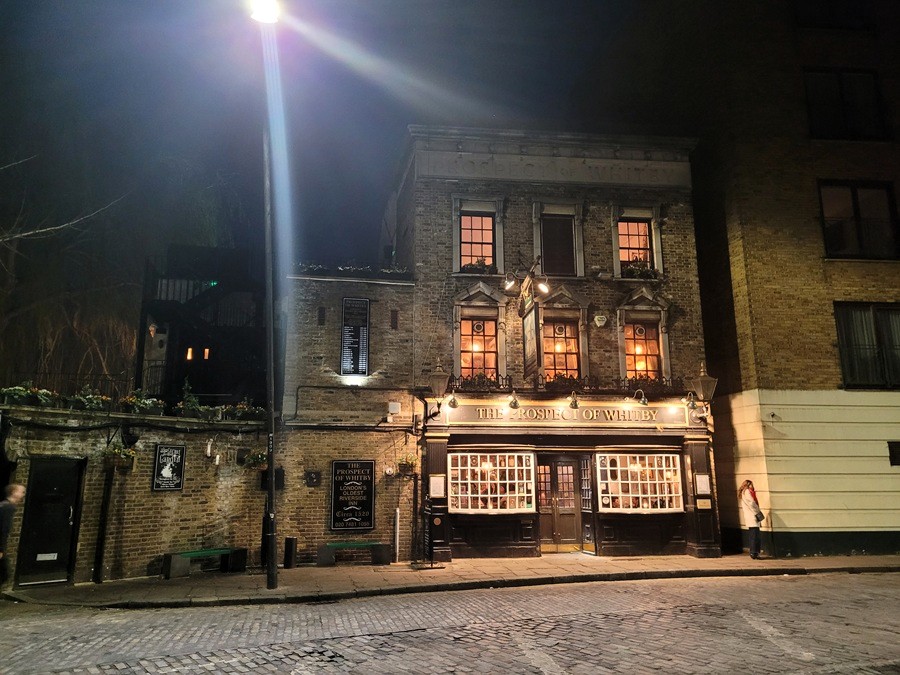
The historic Prospect of Whitby, standing directly on the riverfront, claims to occupy the site of London’s oldest riverside tavern. Dating from around 1520, it was once frequented by sailors, merchants and less respectable characters connected with the busy waterfront.
Hawksmoor’s Church
One of Nicholas Hawksmoor’s famous London churches, St George-in-the-East was built between 1714 and 1729 on Cannon Street Road.
The Ratcliff Highway Murders
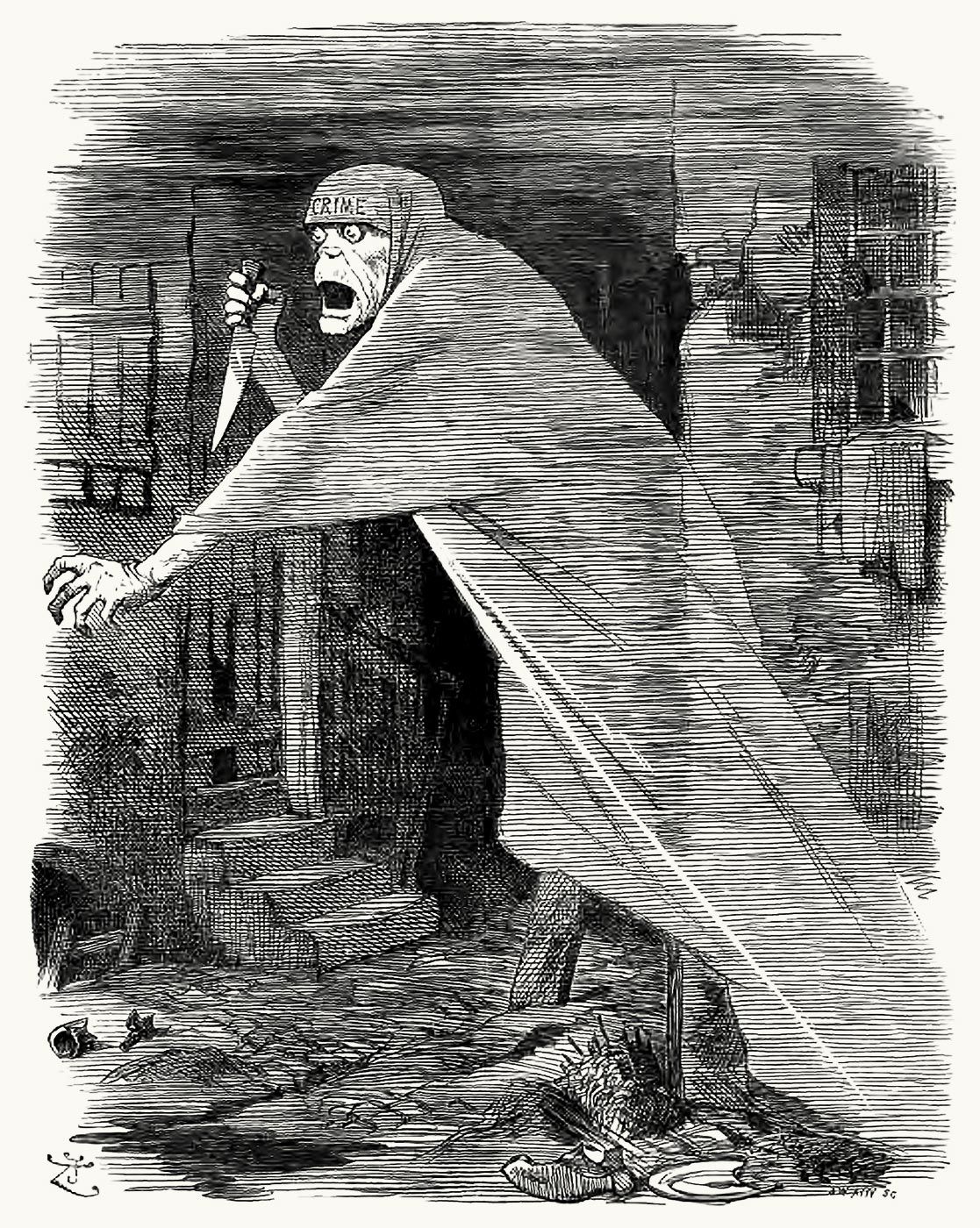
The area gained notoriety in 1811 when the infamous Ratcliff Highway Murders took place in the area around the Highway and Wapping Lane.
Watermen’s Stairs
Wapping is known for its historic watermen’s stairs, including Wapping Old Stairs and Pelican Stairs. These provide public access to the tidal foreshore of the Thames and are particularly popular with mudlarks searching for traces of London’s past.
The Battle of Wapping
In 1986, Rupert Murdoch moved his News International printing operations to Wapping, triggering a major industrial dispute that became known as the “Battle of Wapping”.
From Docklands to Desirable Address
After suffering heavy bomb damage during the Blitz and decline following the closure of the docks, Wapping underwent extensive redevelopment from the 1980s onwards. Former warehouses were converted into luxury apartments, transforming the area into one of London’s most sought-after riverside neighbourhoods.
Cover picture: The Prospect of Whitby