by Dorothee Schröder
A North London District
Tottenham forms part of the London Borough of Haringey in north London.
Ancient Origins
Located along the old Roman road of Ermine Street, Tottenham has been a settlement for more than a thousand years.
A Tudor Retreat
During the Tudor period, Tottenham became popular with wealthy Londoners seeking leisure and recreation. Henry VIII is said to have visited Bruce Castle and hunted in Tottenham Wood.
The Tottenham Outrage
The so-called Tottenham Outrage took place on 23 January 1909, when two armed robbers attacked a wages clerk, fled across the River Lea and hijacked a tramcar while being pursued by police in another tram. After killing a ten-year-old boy and a police constable, the men eventually shot themselves before capture. The dramatic incident later became the subject of a silent film.
A Multicultural Community
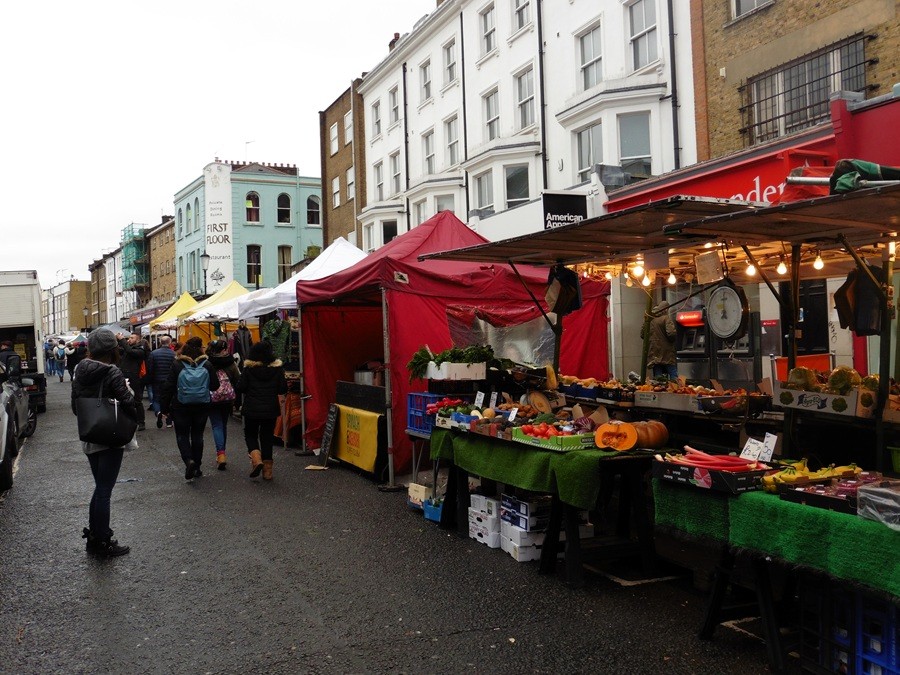
Tottenham is known for its multicultural population and is home to one of London’s largest Afro-Caribbean communities. This diversity is also reflected in the area’s wide range of international cuisine and street food.
Tottenham Marshes
Tottenham Marshes form part of the Lee Valley Park and cover around 100 acres, offering popular walking routes alongside the river and passing narrowboats.
Tottenham Hotspur
Tottenham is home to Tottenham Hotspur F.C., whose stadium is the third-largest football ground in England and can be explored on guided tours.
Tottenham Cake
Tottenham Cake, a traditional sponge cake topped with jam or pink icing and sometimes sprinkled with desiccated coconut, was featured on The Great British Bake Off in 2013.
Seven Sisters Market
Seven Sisters Market began as a small community-run indoor market in the early 2000s and has grown into an important social hub where locals meet, shop and spend time together.
Notable Names
A number of well-known performers are associated with Tottenham, including Jessie Wallace, Olivia Dean and Adele.
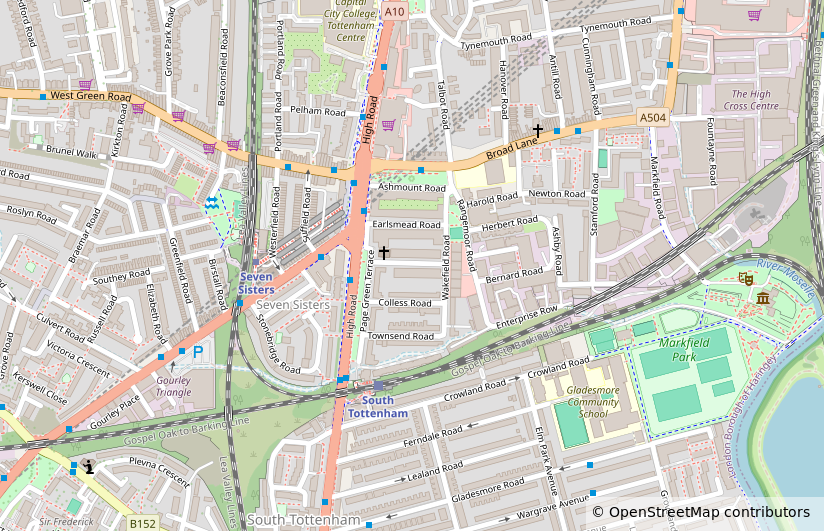
Cover picture: Tottenham (Source: OpenStreetMap)